Leadership Lessons From College Sports
Coaches need elite leadership skills now more than ever
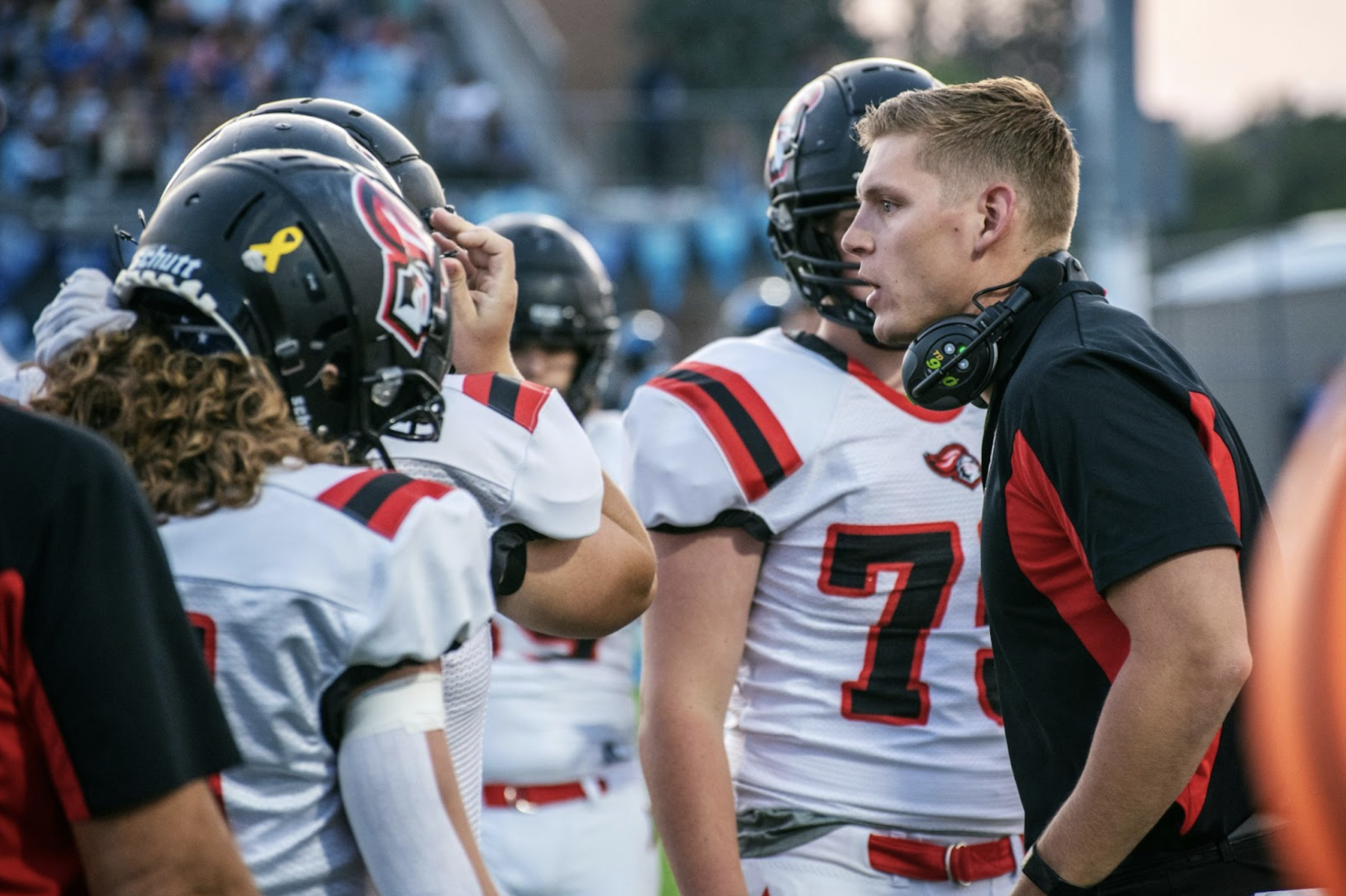
For those who haven’t followed collegiate athletics over the last half-decade, there has been quite a whirlwind of change. The NCAA has never been perfect, far from it, but we have entered a whole new era.
College “student-athletes” are now being paid for the use of their Name, Image, and Likeness (NIL). Top stars have agents, are signing contracts to play for their universities, and are free to book advertisements with companies.
Long gone are the days of amateur athletics. Make no mistake, college athletes are now considered professionals.
I’m not going to go further down this road because 1) we don’t have time for it, and 2) it’s not the point of this blog post. Let’s talk about what we need from the leaders in the college sports space to help navigate the chaos.
Leadership first, coaching second
The times when coaches just had to focus on running practices and calling plays during games are over. College coaches now require a much broader skill set. They must act more like a CEO than the traditional definition of a coach. From recruiting, scheduling, training, managing player contracts, monitoring the transfer portal, etc., the most successful coaches, in my opinion, will be the ones who understand what their job description is in this new age.
Oddly enough, though a coach’s role is more complicated now, I’d argue a return to basic leadership skills will be the key to success.
Communication - implementing an “open door” policy for feedback so there are no questions about what is expected.
Accountability - doing what you say you are going to do, on and off the field.
Preparation - putting in the physical and mental work that it takes to win.
Building Trust - having mutual respect between coaches and players.
Social Emotional Intelligence - understanding players on a human level; needs, wants, fears, etc.; having empathy.
Empowerment - allowing athletes to perform with a clear mind.
Motivation - inspiring teams to work together, give it their all for each other.
When all of these areas are in place, it makes for a much easier time performing traditional coaching activities. Some programs however, like Stanford, have hired General Managers to handle the behind-the-scenes tasks so that coaches are free to just coach. This will be an interesting trend to follow.
Managing people over plays
Having a strong identity on the field will be less important than having a strong identity off of it. With the ability of players to transfer teams and not have to sit out a season like in the past, coaches are constantly having to keep players happy at every level of the depth chart. Having honest conversations will be key, and understanding that sometimes a player leaving for another program is the best outcome for both sides.
Despite earning money (millions for some players) and being considered professionals, college kids are still just that: kids who are 18-23 and have yet to experience much the world has to offer outside of their bubble. Undoubtedly, a coach’s role now includes helping them handle this responsibility and mature faster than ever.
Culture comes from within
I believe that culture comes from within and starts at the top. The head coach of a college program in this new era should set the tone for how their team should behave by living it out themselves. That’s how to build a culture of accountability that lasts. Doing the right thing is easy to say, but harder to do.
Defining a program’s core values is a great starting point. Then create rituals that bond a team and unite it under a shared identity. Unfortunately, adding money to the college sports landscape seems to have led to a decrease in loyalty as both coaches and athletes are changing teams at unprecedented levels. A strong culture is the best defense against losing players and staff to other programs. Wins and losses will fluctuate, but culture is a foundation that will always be there. Be intentional in making sure it’s a positive one.
Curt Cignetti and the Indiana Hoosiers
While there are some excellent coaches who have embraced the new era of college sports, there is one example I’d like to highlight. At the time of writing this, the Indiana football team is set to play in the national championship game vs Miami. Historically, the Hoosiers have been a pretty poor program without much success. That changed when it hired Curt Cignetti in November 2023 as he immediately changed the culture of the program.
I love this clip that went viral in which he begins speaking about time management but ultimately gets to how he creates a culture within his coaching staff. There have been plenty of articles breaking down his coaching style as well. It’s clear to me that Cignetti understands the importance of being a CEO-type of coach who’s established a new culture and identity in Bloomington. The core values behind the scenes are paying dividends on the field. No program has looked more like a “team” this season than the Indiana Hoosiers.
Adapt or get left behind
This new era of college sports is testing everyone involved. We’ve seen so much change in just the last few years since NIL legislation was passed and became standard operating procedure. I will be extremely interested to see what the “industry” looks like in the next 5-10 years. “Old school” coaching tactics will not get the job done anymore. Coaches must adapt to this new world for success. Simple leadership skills just may be the answer.
For more thoughts and insights, sign up for my newsletter to get The Rich Minute delivered to your inbox each month!
My book, Life Is Sales, is out now! Grab a copy and embrace the LIS philosophy to maximize your potential.